Analysis of the limitation of shipping and air transportation: choosing the appropriate international transportation mode
In today's globalized world, the prosperity of international trade has facilitated the rapid flow of goods, services, and even cultures across borders. Within this logistical extravaganza spanning international frontiers, the choice of transportation mode is paramount, as it directly impacts delivery times, cost-effectiveness, safety, and customer satisfaction. Maritime and airfreight, as the two pillars of international logistics, each excel in different aspects, catering to diverse transportation needs and scenarios. This article delves into a comprehensive analysis of maritime and airfreight, focusing on time efficiency, costs, capacity, and applicable scenarios, to aid businesses or individuals in making informed decisions when selecting the appropriate international transport mode.
I. Time Efficiency Comparison
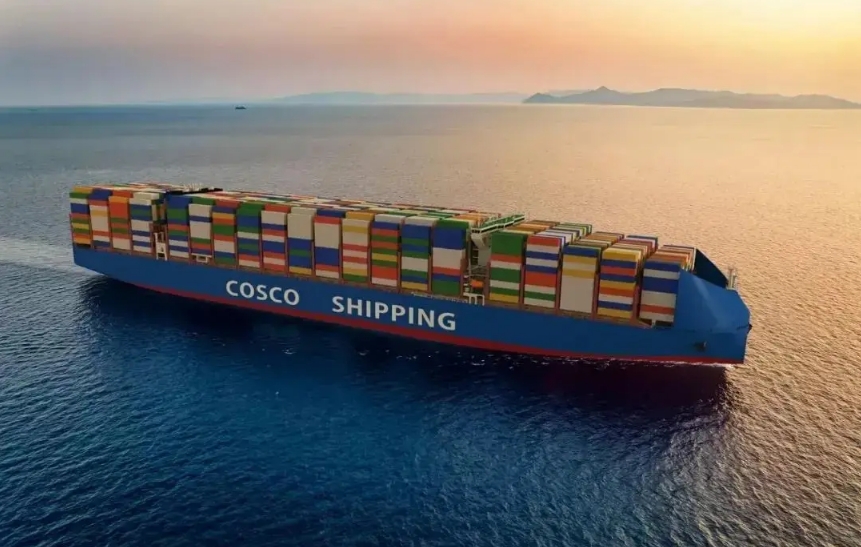
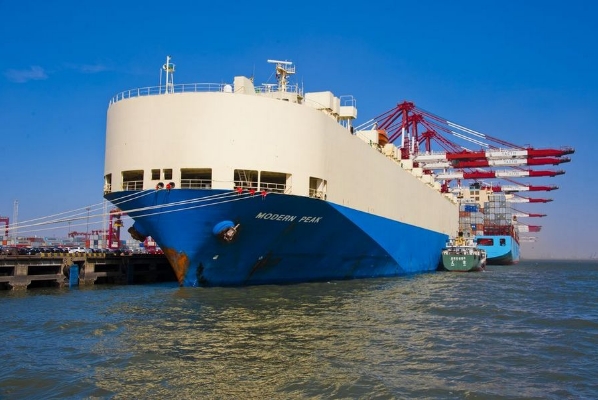
Maritime Transport: Maritime shipping is renowned for its low costs and substantial carrying capacity, but it comes with relatively longer transit times. Specific durations are influenced by various factors, including shipping routes, port efficiency, weather conditions, and customs clearance speeds. Generally, shipping from China to major ports in North America or Europe can take anywhere between 20 to 40 days or even longer. For commodities that are not time-sensitive, bulky, or heavy, such as minerals, machinery, and furniture, maritime shipping is the preferred choice.
Airfreight: In contrast, airfreight boasts extremely fast transit times, often delivering goods to major cities worldwide within hours to a few days. It is the go-to option for urgent goods, high-value merchandise, or perishable products like flowers and seafood. The efficient logistics networks and expedited customs clearance processes ensure that goods reach their destinations swiftly, meeting the demands of time-sensitive markets.
II. Cost Considerations
Maritime Transport: From a cost perspective, maritime shipping is undoubtedly the more economical choice. Due to its large transport capacity and low unit costs, maritime freight rates are significantly lower than airfreight. However, for bulk cargo, the cost advantage is particularly pronounced. Nonetheless, maritime shipping also involves hidden costs, such as additional storage expenses due to weather delays, cargo insurance fees, and extended capital occupation periods.
Airfreight: Airfreight's speed comes at a premium, with costs typically far exceeding those of maritime shipping. For small volumes or high-value goods, airfreight expenses can constitute a significant portion of the total cost. However, considering the time efficiency and market responsiveness, airfreight is often a necessary investment in certain situations.
III. Capacity & Flexibility
Maritime Transport: Maritime vessels have immense cargo-carrying capacities, accommodating everything from containers to bulk cargo. This large capacity makes maritime shipping the primary mode for transporting bulk goods in international trade. However, maritime shipping offers relatively lower flexibility, requiring advanced route planning, booking of slots, and handling complex customs procedures.
Airfreight: Airfreight excels in flexibility. With frequent flights and a global network of routes, it can quickly adjust transportation plans based on customer demands. Whether small parcels or bulk cargo, as long as they comply with airfreight regulations, they can be promptly arranged for shipment. Furthermore, airfreight offers various service options, such as door-to-door and door-to-airport, enhancing logistics efficiency.
IV. Applicable Scenarios
Maritime Transport: Ideal for non-time-critical, cost-sensitive bulk cargo, such as raw materials, machinery, and furniture. It is also crucial for businesses seeking to establish stable, long-term global supply chains.
Airfreight: Best suited for time-sensitive, high-value, or perishable goods, like electronics, fashion apparel, pharmaceuticals, and emergency relief supplies. It also plays a vital role in cross-border e-commerce and exhibition logistics.
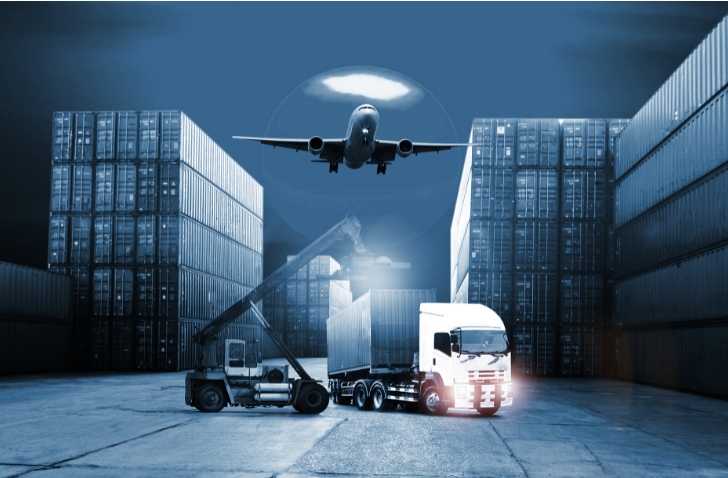
In conclusion, maritime and airfreight each have their unique strengths and limitations. Choosing the appropriate transport mode necessitates a comprehensive consideration of cargo nature, transportation requirements, cost budgets, and market demands. As globalization deepens, leveraging multiple transport modes to build an efficient and cost-effective logistics system will be key for businesses to thrive in the competitive market.