How to Optimize and Enhance International Logistics Processes
In today's increasingly globalized world, international logistics, as a crucial link connecting various economies, has its efficiency and service quality directly related to a company's market competitiveness and customer satisfaction. Facing a complex and ever-changing international trade environment, stringent regulatory requirements, and growing customer demands, optimizing and enhancing international logistics processes have become paramount. The following article explores key dimensions to achieve this objective.
1. Digital Transformation and Intelligent Applications
Digital transformation serves as the primary avenue for enhancing international logistics efficiency. By adopting advanced logistics management systems (LMS), Internet of Things (IoT), big data analytics, and artificial intelligence (AI) technologies, real-time monitoring and precise management of the entire logistics chain can be achieved. For instance, IoT technology enables tracking of cargo locations, reducing the risk of loss or delay. Big data analytics predicts transportation demands, optimizes route planning, and lowers transportation costs. AI algorithms automatically handle exceptions, improving response speed and problem-solving capabilities. Additionally, blockchain technology enhances supply chain transparency and security, ensuring data immutability and boosting trust.
2. Strengthening Supply Chain Collaboration
International logistics involves multiple stakeholders, including shippers, carriers, ports, customs, etc. Enhancing collaboration among these links is crucial for efficiency gains. By establishing unified information platforms or leveraging third-party logistics service platforms, information sharing and process integration can be facilitated, minimizing delays and errors in information transmission. Standardizing operational procedures and protocols ensures seamless connection across all links, improving overall operational efficiency. Moreover, strengthening cooperation with customs, inspection, and quarantine authorities to stay abreast of relevant policies and regulations reduces clearance time and costs.
3. Flexibility in Responding to Market Changes
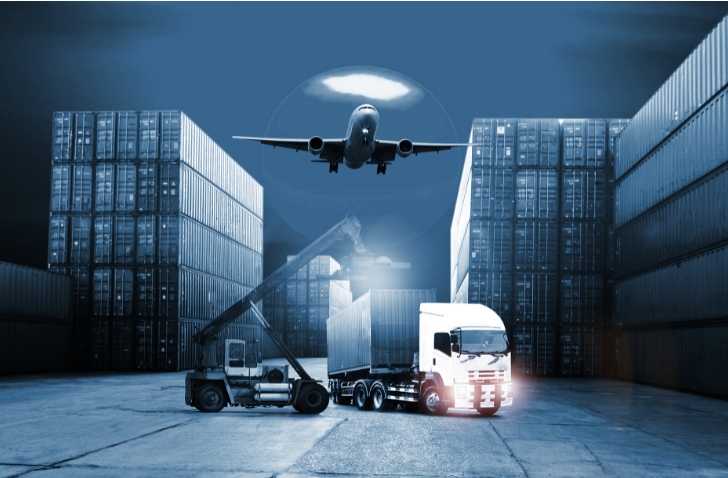
The international market environment is highly dynamic, with factors such as pandemics, trade policy adjustments, and natural disasters potentially significantly impacting logistics. Therefore, logistics enterprises must possess high flexibility and adaptability. Diversifying transportation modes (sea, air, land, rail, etc.) and routes spreads risks, ensuring supply chain stability and resilience. Implementing rapid response mechanisms for timely assessment and handling of emergencies minimizes losses. Additionally, strengthening communication with suppliers and customers to jointly develop strategies against market risks is essential.
4. Green Logistics and Sustainable Development
With growing global awareness of environmental protection, green logistics has emerged as an important trend in industry development. When optimizing international logistics processes, emphasis should be placed on energy conservation, emission reduction, and resource recycling. Adopting low-carbon transportation modes (e.g., electric or hybrid vehicles, green shipping technologies) reduces carbon emissions. Optimizing packaging materials with biodegradable or recyclable options minimizes environmental pollution. Promoting "zero inventory" or "lean inventory" management reduces waste during storage and transportation. Furthermore, actively participating in international environmental standards and certifications enhances corporate brand image and social responsibility.
5. Talent Cultivation and Technological Innovation
Talent is the core driving force behind the development of the logistics industry. Facing an increasingly complex international logistics environment, logistics enterprises must increase investment in talent cultivation and attraction, particularly in digitalization, intelligence, and supply chain management. Encouraging employee innovation and cross-disciplinary collaboration fosters the research and application of logistics technologies. Establishing industry-university-research cooperation mechanisms accelerates the transformation and application of scientific and technological achievements, providing a continuous source of momentum for the continuous optimization and enhancement of international logistics processes.
In conclusion, optimizing and enhancing international logistics processes is a systematic endeavor requiring comprehensive strategies encompassing digital transformation, supply chain collaboration, market responsiveness, green logistics, and talent cultivation. Only by doing so can logistics enterprises maintain competitiveness in the global arena and create greater value for enterprises.