How do foreign traders distinguish the types of international logistics goods?
In today's increasingly globalized world, the foreign trade industry serves as a vital bridge connecting economies across nations, with its operational efficiency and cost control directly impacting a company's competitiveness. International logistics, as a crucial aspect of the foreign trade process, not only demands swift and secure delivery of goods to their destinations but also necessitates adopting suitable transportation methods and strategies based on the unique characteristics of the cargo. Therefore, it is imperative for foreign trade professionals to accurately differentiate between types of international logistics cargo to optimize logistics solutions, reduce costs, and enhance customer satisfaction. The following explores how foreign trade professionals can categorize international logistics cargo from several key dimensions, in an essay of no less than 1000 words.
Differentiating Types of International Logistics Cargo for Foreign Trade Professionals
In the intricate landscape of international trade, the ability to discern between various types of cargo is crucial for foreign trade professionals. This differentiation not only aids in selecting the most appropriate transportation mode but also ensures compliance with regulations, minimizes risks, and optimizes costs. Here's a comprehensive guide on how to achieve this:
1. Nature and Characteristics of the Cargo
Firstly, foreign trade professionals must classify cargo based on its physical, chemical properties, and special requirements. This encompasses factors such as size, weight, perishability, flammability, hazardous nature (e.g., dangerous goods), and temperature sensitivity. For instance, large machinery might be best suited for sea or land container transport due to its bulk and weight, whereas air freight would be prohibitively expensive and impractical. On the other hand, perishable food items necessitate cold chain logistics to maintain temperature control throughout transit, preventing spoilage. Furthermore, dangerous goods must adhere to international regulations for safe transportation, including proper packaging, labeling, and declaration procedures.
2. Cargo Value and Market Timeliness
The value of the cargo and the urgency of market demand are also pivotal in determining the mode of transportation. High-value goods, such as jewelry, artworks, or precision instruments, often opt for air freight or express services to shorten transit time and mitigate risks. Conversely, low-value bulk commodities like raw materials or grains might favor cost-effective sea or rail transport, where timeliness is less critical. Foreign trade professionals must balance cost and timeliness based on market forecasts and customer requirements.
3. Destination and Transport Distance
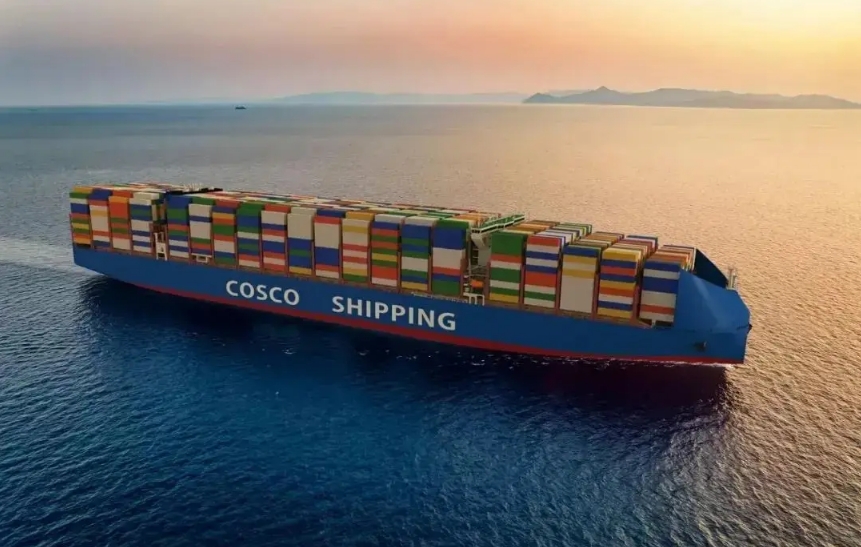
The final destination and transportation distance significantly impact transportation costs and duration. For long-distance, cross-continental shipments, sea freight is typically the most economical option due to its low cost per unit and high cargo capacity. Short-distance or intra-regional transport, however, might favor land (road or rail) or air transport for faster delivery. Additionally, the infrastructure of the destination, including port and airport capacities, as well as inland transportation accessibility, must be considered to ensure the feasibility of the logistics plan.
4. Regulatory and Policy Constraints
Different countries and regions have varying regulations, tax policies, and restrictions on imported goods. Foreign trade professionals must be well-versed in the regulations of target markets, including import licenses, tariff rates, anti-dumping policies, and environmental standards. This knowledge enables them to adjust cargo types or transportation routes to avoid risks. For example, certain countries might impose strict import restrictions or high tariffs on specific products, necessitating strategic adjustments.
5. Professional Advice from Logistics Service Providers
Lastly, partnering with professional international logistics service providers is invaluable for foreign trade professionals seeking expert consultation and tailored logistics solutions. These service providers possess extensive industry experience and resources, enabling them to offer comprehensive services, including transportation mode selection, packaging requirements, customs clearance, and insurance. By leveraging their expertise, foreign trade professionals can reduce logistics costs, enhance transport efficiency, and ensure compliance with regulations.
In conclusion, foreign trade professionals must consider multiple factors when differentiating between types of international logistics cargo, including cargo nature, value, timeliness, destination, regulatory constraints, and professional advice. By meticulously categorizing cargo and strategically planning logistics solutions, they can ensure safe and timely delivery, minimize costs, and bolster their enterprises' international competitiveness.