Cross-border E-commerce Essentials: How to Accurately Choose the Right Cross-border Logistics Service
In the globalization wave of cross-border e-commerce, logistics, as the crucial link connecting sellers and buyers, holds paramount importance. An efficient and reliable cross-border logistics service can not only enhance customer satisfaction but also effectively reduce costs and strengthen a company's market competitiveness. However, faced with the intricate logistics market, accurately selecting the right cross-border logistics service has become a significant challenge for cross-border e-commerce sellers. This article will provide a comprehensive guide for sellers from multiple dimensions.
I. Clarify Logistics Needs
1. Product Characteristics and Quantity
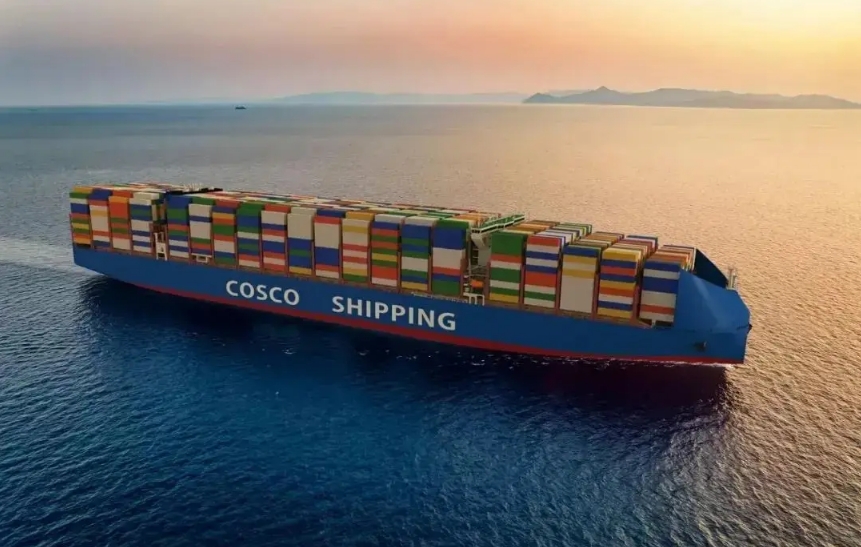
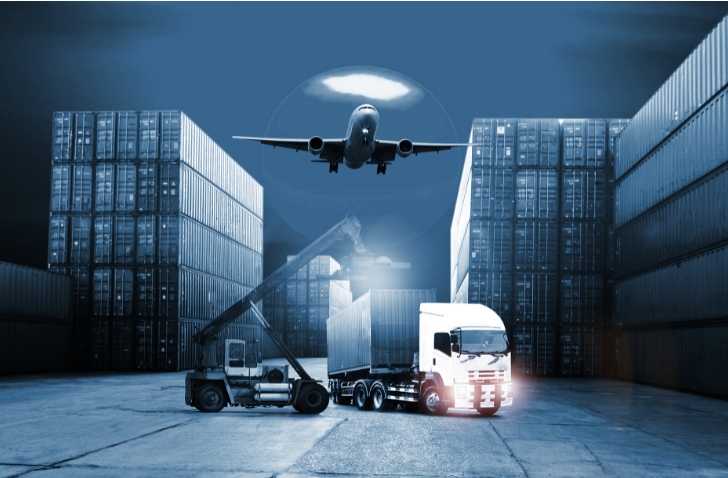
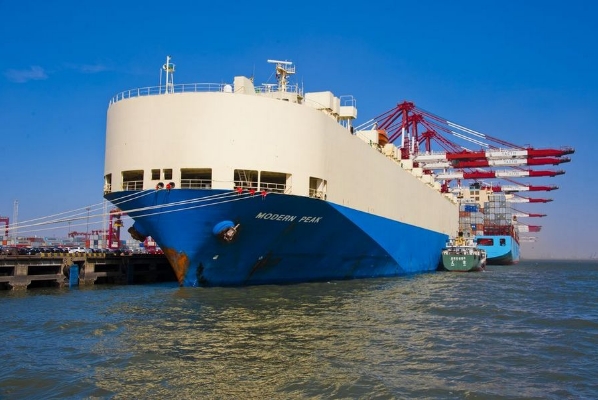
Firstly, sellers need to clarify the types, volumes, weights, and quantities of the goods they sell. Different product characteristics suit different logistics methods. For instance, small-batch, lightweight goods are suitable for express logistics, while large-volume, heavy goods are more suited to sea or land transportation. Additionally, special products like electronics with batteries or cosmetics with powders require logistics service providers that accept such items.
2. Transit Time and Cost
Transit time and cost are two essential factors that sellers must balance when choosing a logistics service. Express logistics offers fast delivery but at a higher cost, making it suitable for time-sensitive products. Sea logistics, on the other hand, is cost-effective but time-consuming, ideal for large-batch, non-urgent goods. Sellers should set reasonable transit time and cost budgets based on product attributes and market demand.
3. Destination and Delivery Method
Different destinations and delivery methods necessitate different logistics approaches. For instance, sellers targeting specific e-commerce platforms like Amazon or eBay may need to choose a one-stop logistics service that supports those platforms to ensure smooth inventory entry and rapid delivery to buyers.
II. Evaluate Logistics Service Providers
1. Professionalism and Experience
A professional logistics service provider should possess extensive experience in cross-border e-commerce logistics, offering comprehensive services from warehousing, packaging, transportation, to customs clearance. Moreover, experienced providers can swiftly resolve logistics issues, minimizing risks.
2. Freight Rates and Transparency
Freight rates are a primary concern for sellers. However, it's crucial to note that lower rates aren't always better; instead, they should be controllable and transparent. Sellers should opt for providers offering stable and reasonable quotes, meticulously checking for any hidden fees beyond freight, such as fuel surcharges or customs clearance fees. Furthermore, providers should clearly outline all charges and billing methods for cost accounting.
3. Timeliness and Stability
Logistics timeliness and stability directly impact customer experience. Sellers should choose providers offering stable transit times within a manageable cost range. During off-peak seasons, sellers can test multiple logistics providers to select the best route during peak seasons. Additionally, providers should possess robust shipping capabilities and the ability to handle sudden situations like warehouse congestion.
4. Service Quality and Customer Support
Service quality is a vital consideration when selecting logistics service providers. Providers should offer comprehensive customer service systems, including holiday pick-ups, professional loading, end-to-end route tracking, and overseas customer inquiries. Furthermore, providers should proactively follow up and resolve issues promptly, avoiding delays or evasion.
III. Explore New Logistics Models
With the continuous development of cross-border e-commerce, new logistics models have emerged. For example, overseas warehousing services significantly reduce delivery times and enhance customer satisfaction by pre-shipping goods to target markets and establishing storage facilities. Additionally, third-party platform services offer integrated logistics solutions tailored to specific e-commerce platforms. Sellers can explore and test these new logistics models based on their needs and resources.
IV. Conclusion
Choosing the right cross-border logistics service for cross-border e-commerce is a complex and detailed process requiring sellers to consider multiple factors. By clarifying logistics needs, evaluating logistics service providers, and exploring new logistics models, sellers can accurately select the right cross-border logistics service. This not only enhances customer satisfaction and logistics efficiency but also effectively reduces transportation costs and strengthens a company's market competitiveness. Therefore, for cross-border e-commerce sellers, selecting the right logistics service is undoubtedly a crucial guarantee for success.