Analyzing the Transit Time and Customs Clearance Speed of International Postal Parcels
In today's globalized world, international postal parcels play a significant role in people's lives and business activities as a common cross-border logistics solution. However, transit time and customs clearance speed are crucial aspects that many users pay close attention to. This article will delve into the various factors that affect the transit time and customs clearance speed of international postal parcels and offer corresponding suggestions.
I. Factors Influencing Transit Time
1. Destination Country
The geographical location, postal system efficiency, and transportation conditions of the destination country significantly impact transit time. Developed countries or regions with sophisticated logistics infrastructure and efficient postal systems generally offer shorter transit times. For instance, shipping a parcel to major European countries like the Netherlands can typically be delivered within 5 to 10 working days, thanks to Europe's advanced transportation networks and logistics management systems. In contrast, remote areas or developing countries may experience longer transit times due to inadequate transportation and postal network coverage, sometimes extending to 30 days or more.
2. Parcel Weight and Size
The weight and size of a parcel also affect transit time. Lighter and smaller parcels are more convenient to handle and transport, facilitating faster completion of various processing stages. Heavier or larger parcels might require special handling equipment and transportation methods, increasing processing time and transportation difficulties, thus prolonging transit time.
3. Mode of Transportation
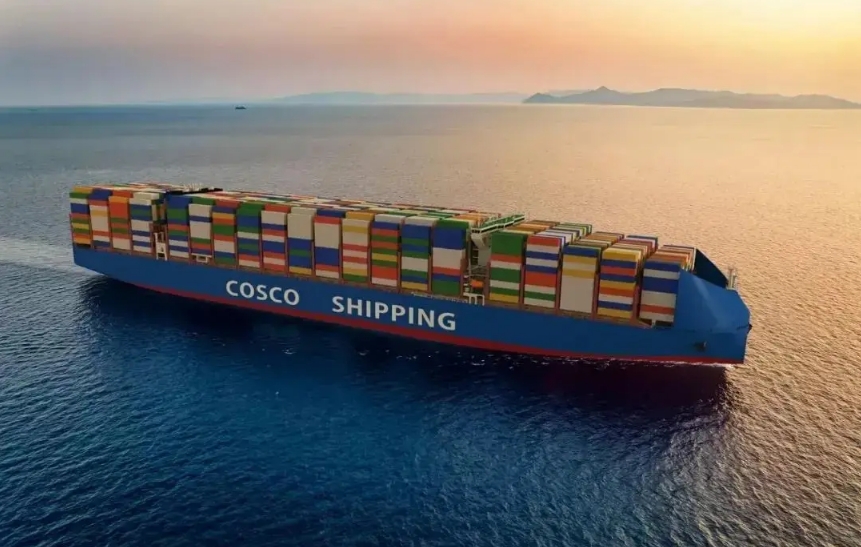
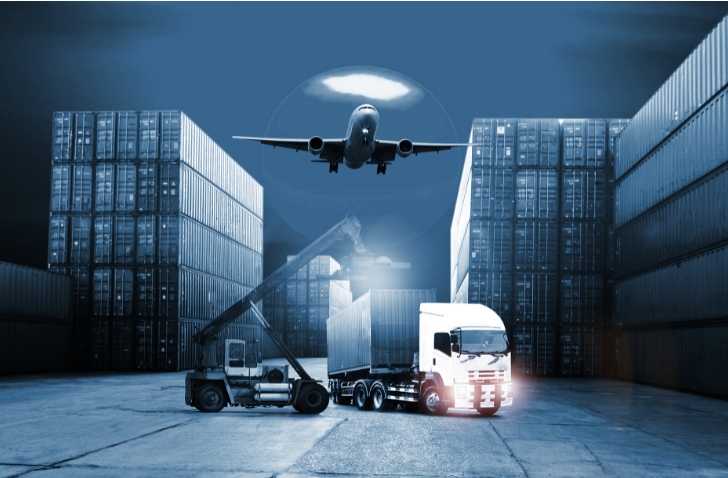
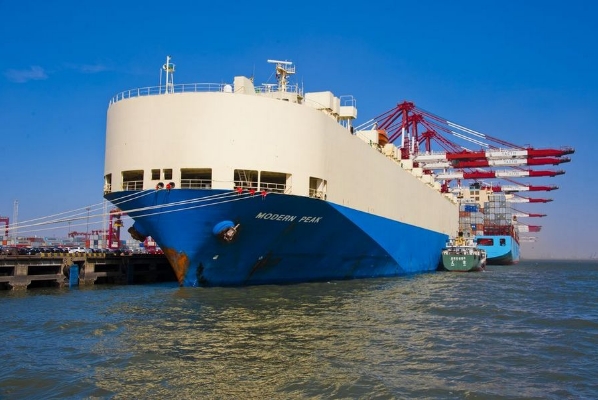
The chosen mode of transportation directly determines the transit time. Common modes for international postal parcels include air, sea, and land transportation. Air transportation is the fastest but also the most expensive. Sea transportation is cost-effective but takes longer. Land transportation is typically used for neighboring countries, offering a balance between time and cost. Selecting the appropriate mode of transportation is crucial for managing transit time.
4. Special Periods and Force Majeure Factors
During special periods, such as holidays or peak seasons, or when affected by force majeure factors, transit time can be significantly impacted. For example, during major holidays like Christmas and the Chinese New Year, postal systems and customs may operate with shortened hours and reduced staff, leading to slower package processing and customs clearance. Moreover, natural disasters, wars, pandemics, and other unforeseen events can severely disrupt transportation networks and significantly delay transit times.
II. Factors Influencing Customs Clearance Speed
1. Customs Clearance Mode
International postal parcels primarily utilize postal customs clearance channels, which offer a relatively stable process. Postal systems have long-standing partnerships with customs authorities in various countries and follow specific customs clearance procedures, ensuring compliance and safety during the process. Postal parcels, particularly small and low-value ones, undergo less rigorous inspections during customs clearance, adopting a batch-plus-spot check model for faster clearance.
2. Customs Policies of the Destination Country
Customs clearance speed is also closely related to the customs policies of the destination country. Different countries have varying customs policies, with some imposing stricter scrutiny on imported parcels, resulting in longer customs clearance times.
3. Special Periods and Force Majeure Factors
Similar to transit time, special periods and force majeure factors can also affect customs clearance speed. During the COVID-19 pandemic, for instance, postal services and customs operations in many countries were severely impacted, with transportation routes disrupted and staff quarantined, leading to significant delays in customs clearance for international postal parcels.
III. Suggestions
1. Gather Relevant Information in Advance
Before using international postal parcel services, it is recommended to gather relevant information about transit time and customs clearance. Consult postal service providers, research logistics websites or forums, and learn about the transit time and customs clearance situations for different destination countries or regions.
2. Choose the Appropriate Mode of Transportation and Service Provider
Select the international postal parcel service that best suits your needs and time requirements. If time is crucial, opt for air transportation or expedited services. If cost is a primary concern, consider sea transportation or standard services. Additionally, choose a reputable service provider with consistent transit times.
3. Proper Packaging and Compliance with Restrictions
Proper packaging can protect parcels during transportation and facilitate handling by postal systems. Adhering to item restrictions and avoiding prohibited items ensures parcels can pass customs smoothly.
4. Track Parcel Transit Progress
Use the tracking number on the postal website or relevant query platforms to track the parcel's transit progress and stay informed about its location and status. In case of issues, promptly contact the postal service provider or customs authority to take appropriate measures.
In conclusion, the transit time and customs clearance speed of international postal parcels are influenced by various factors, including destination country, parcel weight and size, mode of transportation, special periods, and force majeure factors. When using international postal parcel