Exploring Strategies to Reduce International Freight Costs for Lightweight, Bulky Cargo
In today's globalized world, cross-border trade has become increasingly frequent, and international cargo transportation serves as a vital bridge connecting markets across different countries. For lightweight, bulky cargo, often referred to as "bubble freight" or "air freight," high transportation costs pose a significant challenge, as many shipping fees are calculated based on either the volume or weight of the cargo, whichever is greater. Addressing this challenge by exploring and implementing effective strategies to reduce international transportation costs for bubble freight is crucial for enhancing corporate competitiveness and optimizing cost control. Below are some key strategies:
1. Optimize Packaging Design
Reduce Volume, Enhance Loading Efficiency: Design compact yet sturdy packaging that minimizes air pockets, such as using vacuum bags or compression techniques to shrink package volumes. Ensure packaging materials are lightweight yet sufficient to protect the cargo from damage during transit.
Standardize and Modularize: Adopt standardized packaging dimensions to better utilize container or pallet space, minimizing waste caused by irregular shapes. Modular design facilitates easy assembly and disassembly, adapting to varying transportation needs.
2. Choose the Right Mode of Transportation
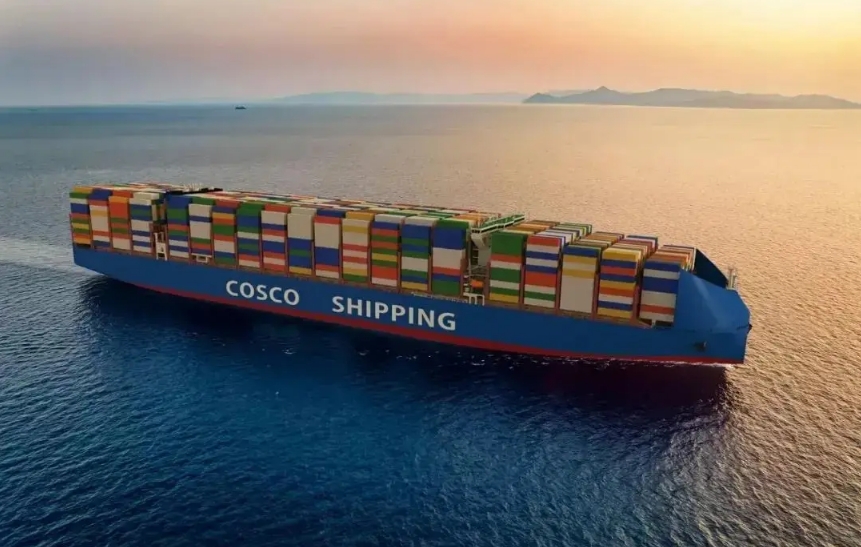
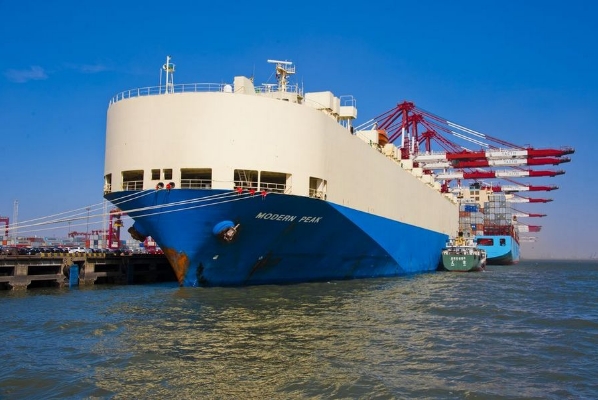
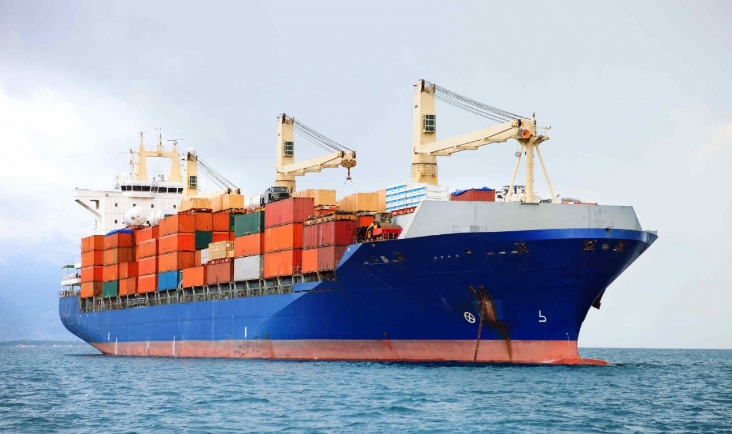
Sea Freight vs. Air Freight: For bubble freight that is not urgent, sea freight offers a cost-effective alternative, albeit with longer transit times. Air freight, while faster, can be prohibitively expensive for large, lightweight cargo. Select the mode of transportation based on cargo urgency and cost budget.
Multimodal Transport: Combine sea, rail, and road transportation through seamless connections at transfer points. This approach can shorten transit times while reducing overall costs.
3. Accurately Calculate Shipping Costs
Understand Billing Rules: Gain a deep understanding of different carriers' billing standards, including volumetric weight and actual weight calculations, as well as potential discounts or surcharges.
Utilize Shipping Calculators: Leverage online shipping calculators or specialized logistics software to quickly and accurately estimate costs for various transportation scenarios, informing decision-making.
4. Consolidate Shipments and Bulk Purchasing
Consolidate Shipments: Centralize multiple orders or cargo from different locations for unified shipping. This reduces transportation frequency, lowering unit cargo costs.
Bulk Purchasing: Increase individual purchase volumes to secure supplier discounts, which can also minimize frequent procurement-related transportation costs.
5. Foster Long-Term Partnerships
Build Trust with Logistics Providers: Establish long-term relationships with reliable logistics service providers to access more favorable rates, superior services, and customized transportation solutions.
Join Logistics Alliances: Participate in industry logistics alliances or associations to share resources, information, and collectively address market challenges, further reducing transportation costs.
6. Digitalize and Streamline Management
Adopt Logistics Management Systems (LMS): Utilize advanced LMS and Internet of Things (IoT) technologies for end-to-end visibility and tracking of cargo shipments, reducing information asymmetry and enhancing transport efficiency.
Analyze and Optimize Data: Analyze historical transportation data to identify cost-saving opportunities, continuously optimizing transportation routes, packaging methods, and modes of transportation.
In summary, reducing international freight costs for lightweight, bulky cargo requires comprehensive strategies encompassing packaging design, transportation mode selection, shipping cost calculation, shipment consolidation, partnership building, and digitalization. Through continuous innovation and optimization, companies can effectively lower transportation costs while maintaining service quality, ultimately enhancing their market competitiveness.